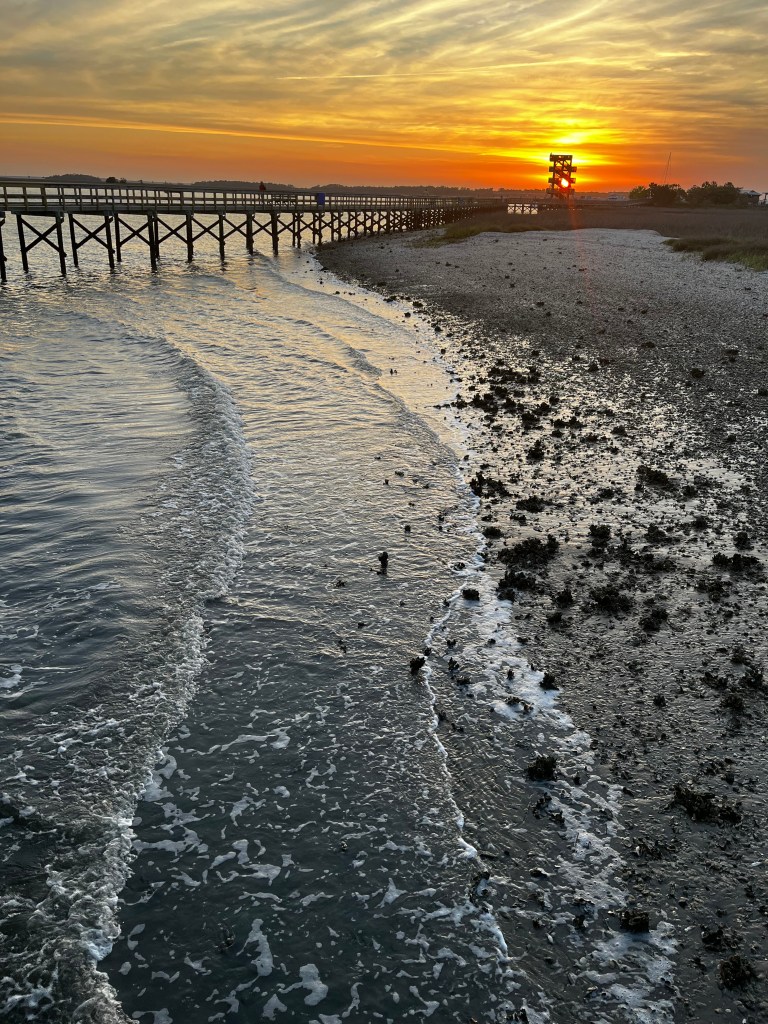
ST. HELENA ISLAND, SC — For the viewers of Flame TV, history is not a collection of dates in a textbook; it is a living, breathing force etched into the salt-marsh landscapes of the South Carolina Sea Islands. In our latest feature, we embark on a cinematic pilgrimage to a region where the “Steel Veins” of the American past intersect with a culture of unyielding strength.
Every November, a profound transformation sweeps across St. Helena Island. The quiet rustle of live oaks is replaced by the rhythmic thrum of Gullah drums and the vibrant parade of colors that define Heritage Days. This isn’t just a festival; it is a tactical act of preservation for the Gullah Geechee people—a culture that emerged from the West African diaspora and built a fortress of tradition that refused to be erased.
As a journalist and a veteran, I’ve stood on many terrains, but the resilience here defies standard explanation. It is a strength born from the soil itself, maintained by a community that has guarded its language, its food, and its land for centuries.
Leaving the festival’s high energy behind, we find ourselves in the moss-draped silence of the Penn Center. Established in 1862 as one of the first schools for freed enslaved people, this National Historic Landmark eventually became a clandestine sanctuary for the Civil Rights Movement.
Few realize that this isolated campus provided the critical solitude Dr. Martin Luther King Jr. required to plan the “March on Washington.” It was here, sheltered from the high-pressure front lines of the struggle, that King found the peace to nurture the words of his “I Have a Dream” speech. In the 1960s, the Penn Center was one of the few places in the segregated South where bi-racial groups could safely strategize, making it the intellectual engine room of a revolution.
A short distance from the spiritual weight of the Penn Center lies a different kind of monument: Fort Fremont. Built in 1898 to defend the Port Royal Sound during the Spanish-American War, these massive concrete batteries are rare, intact examples of Endicott era military architecture.
Looking through the eyes of a soldier, you see the discipline of the 116th U.S. Army Coast Artillery, who once manned these disappearing guns. Through the lens of a filmmaker, you see a hauntingly beautiful decay stone witnesses to our eternal struggle to protect what we love. While the fortifications have long been decommissioned, their presence reminds us that security and freedom always come at a cost.
From the revolutionary ink of Dr. King to the concrete sentinels of Fort Fremont, the Lowcountry is more than a destination; it is a map of the American spirit.


Leave a comment